The Psychology Behind Color Choices in Branding
Why Color Shapes First Impressions More Than You Think
Most people don’t realize this, but long before someone reads your headline, scrolls your website, or understands what you offer, they’ve already formed an opinion about your brand.
That opinion often comes down to color.
Color works quietly in the background. It sets expectations. It creates emotion. It signals trust, confidence, creativity, or hesitation. Sometimes all within a few seconds.
As someone who’s worked across branding, web design, and digital marketing, I’ve seen how the right color choices can strengthen a brand instantly and how the wrong ones can undermine even the best strategy.
Color isn’t decoration. It’s decision-making.
How Color Psychology Influences Brand Perception
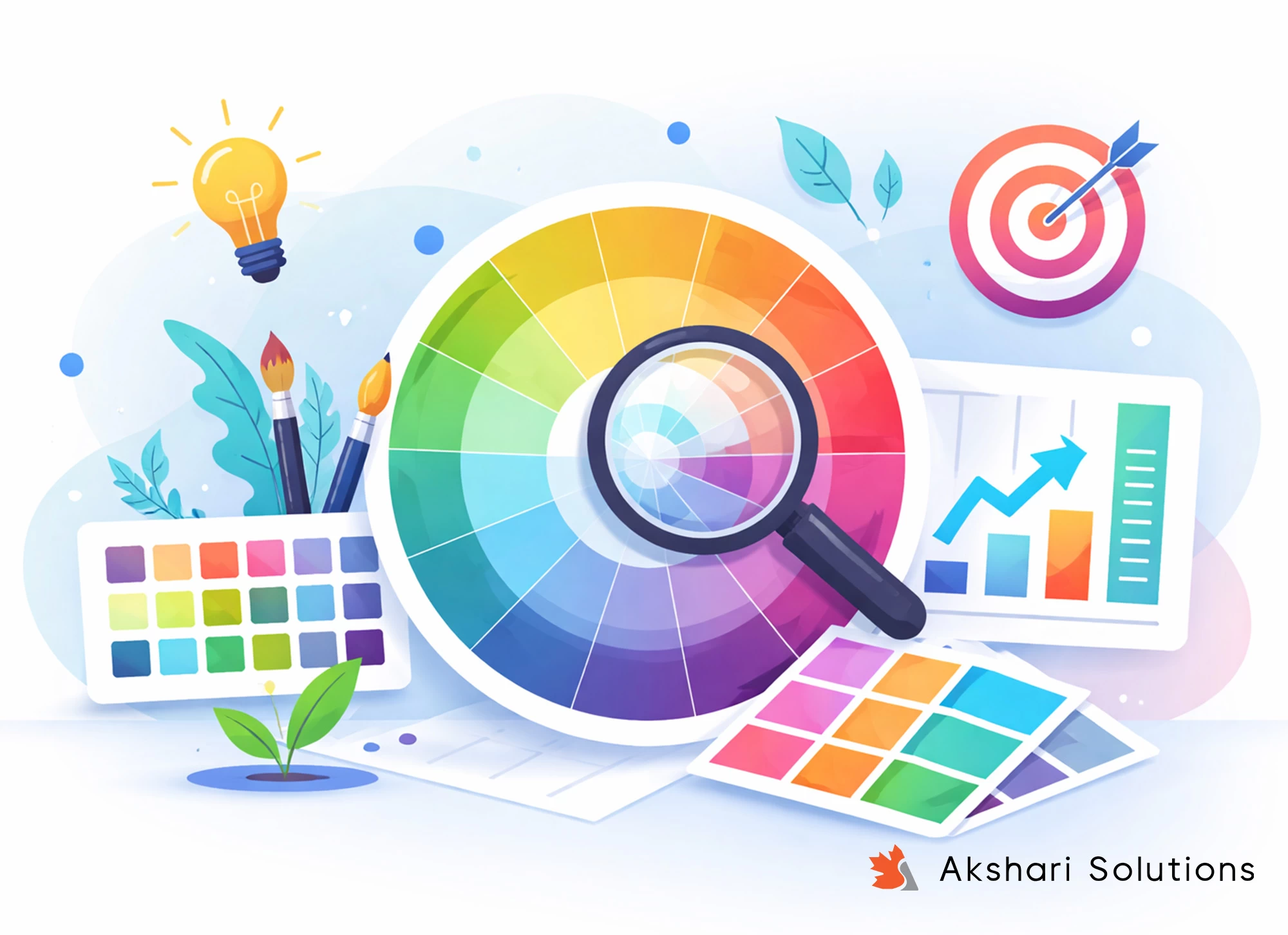
Color psychology is about understanding how people emotionally respond to different colors. While personal and cultural differences exist, many color associations are surprisingly consistent.
In branding, color answers questions your audience may never consciously ask:
Does this brand feel credible?
Is it modern or traditional?
Is it calm, bold, premium, or approachable?
According to HubSpot, consistent use of color can significantly improve brand recognition and memorability.
That’s why established brands rarely change their core color palettes. They know how much perception is tied to those choices.
What Different Colors Tend to Communicate
Blue: Trust Comes First
Blue is one of the safest and strongest choices in branding. It’s widely used in technology, finance, healthcare, and professional services for a reason.
Blue tends to communicate:
Trust and reliability
Calm confidence
Professionalism
If your business relies on credibility and long-term relationships, blue often does a lot of quiet work for you.
Red: Energy and Action
Red gets attention. It’s emotional and powerful, which is why it’s often used for calls to action or bold brand statements.
Red can suggest:
Passion and urgency
Strength and confidence
Movement and excitement
Used strategically, it drives action. Used excessively, it can overwhelm.
Green: Growth and Balance
Green feels grounded. It’s associated with nature, wellness, and progress.
It often signals:
Sustainability and responsibility
Health and balance
Financial growth
Many brands use green to communicate long-term value rather than short-term hype.
Yellow: Optimism and Approachability
Yellow brings warmth and energy, but it’s also one of the trickiest colors to use well.
It can convey:
Positivity and creativity
Friendliness and optimism
In digital spaces, yellow works best as an accent rather than a dominant color.
Black and Neutrals: Confidence Without Noise
Neutral palettes, black, grey, white, muted tones are often chosen by brands that want clarity and sophistication.
They communicate:
Authority and restraint
Timelessness
Focus on content and structure
This is why many premium and consulting brands keep their color palettes intentionally minimal.
How Color Choices Affect Web Design and UX
In web design, color doesn’t just influence how a site looks. It affects how people use it.
Color plays a role in:
Where users look first
Whether buttons feel clickable
How easy content is to read
How comfortable users feel navigating a page
Strong UI/UX design uses color to guide users naturally, without them needing to think about it.
At Akshari Solutions, color decisions are always tied back to usability and brand clarity not trends alone.
Accessibility: Where Psychology Meets Responsibility
One area that’s often overlooked in color selection is accessibility.
Poor contrast or unclear color pairings can:
Make content hard to read
Exclude users with visual impairments
Hurt usability, SEO, and trust
The W3C’s WCAG guidelines outline contrast standards that help ensure websites are usable for everyone.
Real-World Brand Examples That Get Color Right
Google: Friendly, Familiar, Functional
Google’s use of primary colors feels approachable and intuitive. The palette supports simplicity while reinforcing innovation.
Spotify: Emotion and Identity
Spotify’s green stands out instantly and feels creative and energetic, while darker backgrounds keep the focus on content.
Professional Services Brands
Many consulting, finance, and tech firms rely on blues and neutrals to signal stability—especially when trust is a key factor in decision-making.
In each case, color supports the brand’s purpose rather than competing with it.
Current and Emerging Trends in Brand Color Strategy
Softer, More Human Color Palettes
Brands are shifting toward muted, natural tones that feel calm and authentic rather than loud and overly saturated.
Accessibility-First Color Systems
Designers are building color systems that work across light mode, dark mode, and different devices without sacrificing contrast.
Smarter Color Tools
Platforms like Adobe now offer AI-assisted color tools that help teams explore palettes based on emotion and brand goals.
Values-Driven Color Choices
Color is increasingly used to express brand values sustainability, inclusivity, transparency not just visual preference.
Choosing Colors That Actually Fit Your Brand
There’s no universal “best” brand color.
The right palette depends on:
Your audience and industry
Your brand personality
Where and how your brand appears (digital and print)
Accessibility and long-term scalability
That’s why color selection should be part of a broader branding strategy, not a last-minute design decision.
Final Thoughts: Color Is One of Your Strongest Brand Signals
Color influences how people feel about your brand before they fully understand it.
When chosen thoughtfully, brand colors:
Build trust
Improve user experience
Support accessibility
Strengthen brand recognition
If your colors no longer reflect who you are or where your business is headed. It may be time to revisit them with intention.
Strong branding isn’t about trends. It’s about clarity, consistency, and connection. And color plays a bigger role in that than most businesses realize.